 Click here to read more
|
Welcome. EVIDENCE
TRIALS
Click to read more...
REAL ESTATE
|
|
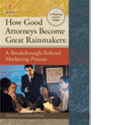 Rainmaking is not a “natural” talent! Let the founders of the high-level Atticus program give you specific, easy, practical and stress-free client development systems that have really worked for hundreds of lawyers who have used them with remarkable results.
 Used by Mass. judges as an official guide, the Benchbook gives you the critical language and holding of every significant Massachusetts decision on police motor vehicle stops, plus a highly detailed, easy-to-use table of contents with 38 issues of law and more than 350 nuances so you can instantly pinpoint the controlling issues in your case.


|
Welcome. EVIDENCE
TRIALS
Click to read more...
REAL ESTATE
|
|
 Help |
Privacy Policy |
Subscriber Agreement |
Books Return Policy
Help |
Privacy Policy |
Subscriber Agreement |
Books Return Policy The 2022 Official Print Edition includes substantive changes to the guidelines to reflect the evolving law of evidence. Order now, ships in March 2022.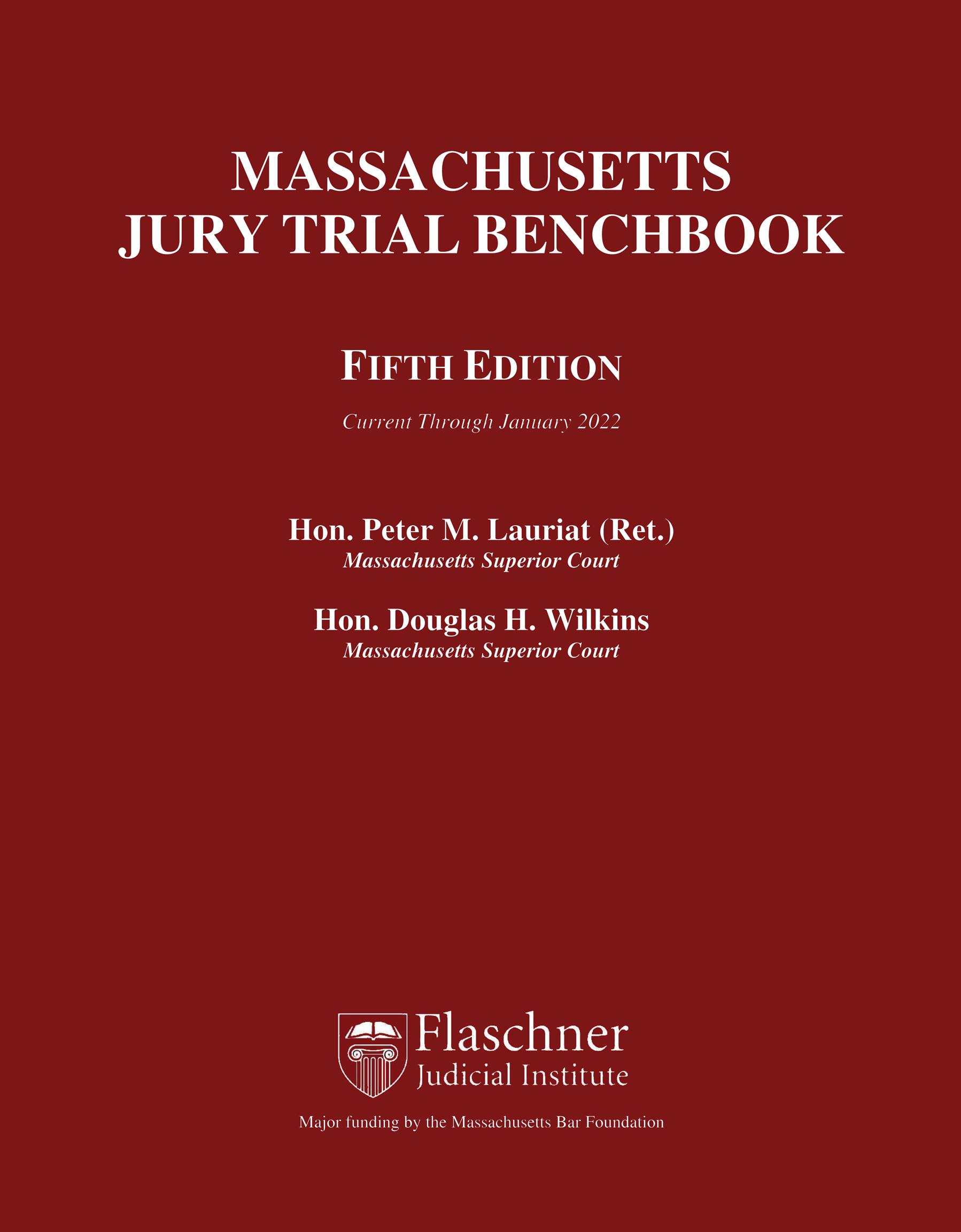
 The 2016 Third Edition will let you easily answer every zoning question with clear, plain-English explanations backed up by thousands of detailed citations. The definitive treatise on Rhode Island zoning law has been comprehensively updated and includes expert analysis of many new cutting-edge topics.